
Restorative Dentistry
Root Canal Treatment
A root canal isn't the scary procedure it used to be. Done with modern tools and proper freezing, it's no more uncomfortable than a routine filling — and it lets you keep a tooth that would otherwise need to be pulled.
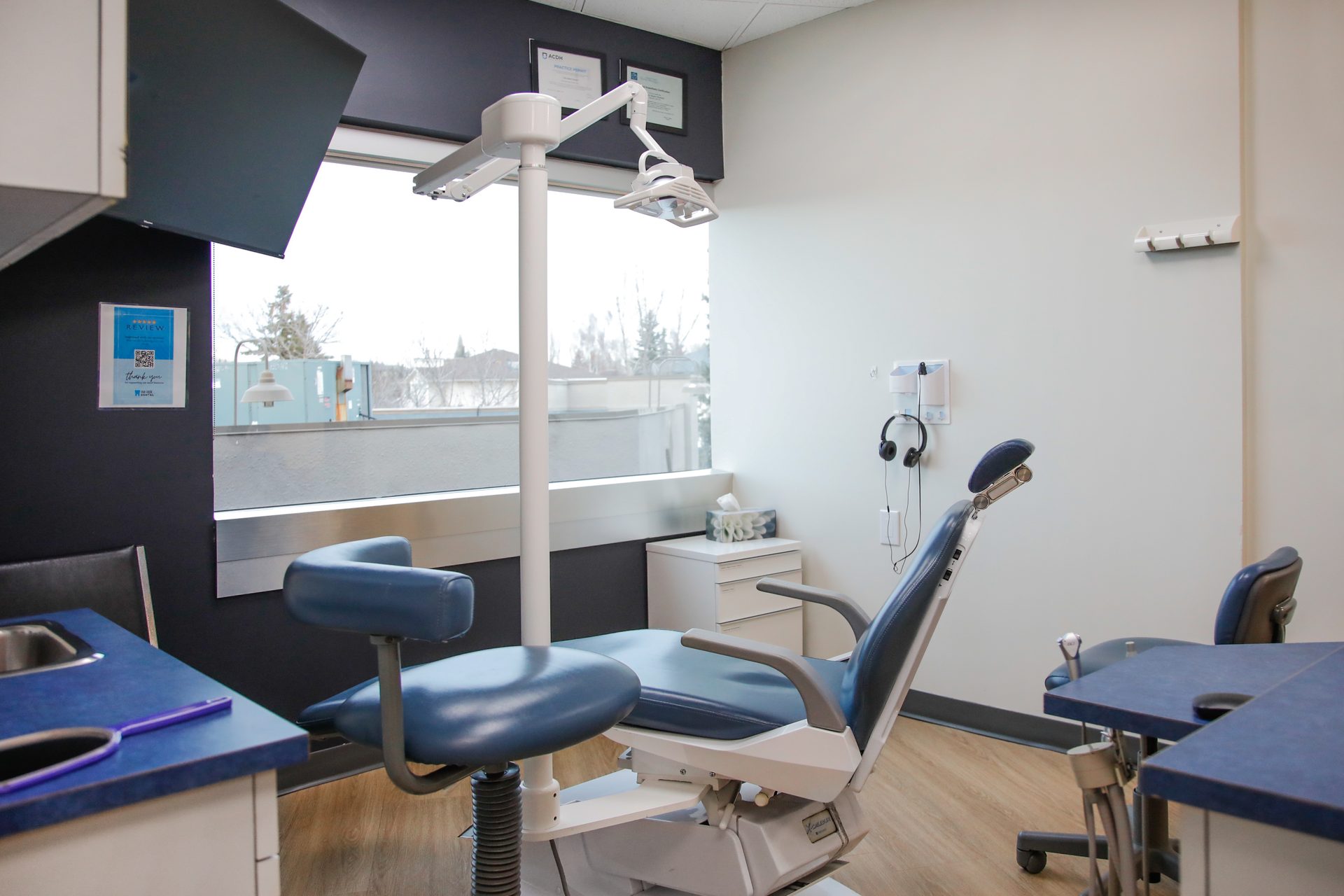
Why it matters
Benefits
- Saves your natural tooth — almost always better than extracting and replacing.
- Ends the pain of an infected tooth, usually after the first visit.
- Modern techniques are dramatically more comfortable than the procedure's reputation suggests.
- Often completed in a single visit, depending on the tooth.
- Followed by a crown so the treated tooth functions normally for decades.
What to expect
The process
- 01
Diagnosis
An x-ray (sometimes a 3D CT scan) confirms the infection's location and the shape of the root canals. We talk you through what we're seeing before any treatment starts.
- 02
Comfortable freezing
Local anaesthetic ensures you don't feel the procedure. If you'd prefer sedation, we offer oral and IV options.
- 03
Cleaning the canals
We open the tooth, remove the infected pulp tissue, clean the canals thoroughly, and shape them. This is the part that ends the pain.
- 04
Sealing the tooth
Once clean, the canals are sealed with a biocompatible material. A temporary filling protects the tooth until your crown is ready.
- 05
Final crown
A root-canal-treated tooth becomes more brittle over time, so we cap it with a crown — often a CEREC same-day crown — to restore full strength.
When you need a root canal
A root canal becomes necessary when the soft tissue inside a tooth (the pulp) gets infected or badly inflamed. This usually happens from:
- Deep decay that reaches the pulp.
- A cracked or chipped tooth that exposes the pulp.
- Repeated dental work on the same tooth over many years.
- Trauma to the tooth from an accident or sports injury.
Once the pulp is infected, no amount of brushing or antibiotics will fix it permanently. The infected tissue needs to come out — that’s what a root canal does.
What a root canal actually saves
The alternative to a root canal is extracting the tooth. Once a tooth is gone, replacing it with an implant or bridge costs significantly more than the root canal would have. And nothing — implants included — functions quite like your natural tooth.
A successful root canal followed by a crown commonly lasts 20+ years. Many last a lifetime.
What makes the experience better at Fish Creek Dental
- Modern tools. Rotary instruments and apex locators make today’s root canals dramatically faster and more comfortable than what people remember from decades past.
- Sedation if you want it. If anxiety is the thing holding you back, we offer oral and IV sedation.
- CEREC crowns in-house. Many root-canal-treated teeth can be crowned in the same visit using our in-clinic CEREC system — no temporary crown to baby for two weeks.
- No referral. We complete the treatment in our clinic. Some cases requiring specialist endodontics may still benefit from a referral; we’ll be honest if that’s the right call.
In pain? Call us at 403-271-2221 — same-day emergency appointments are available.
FAQ
Questions we hear most often
- Are root canals painful?
- No, despite the procedure's reputation. Root canals end pain — they don't cause it. The pain people associate with root canals is actually the infection that led to needing one. With modern freezing and tools, the procedure itself is comparable to having a filling done.
- How do I know if I need a root canal?
- Common signs include lingering tooth pain (especially with hot or cold), pain when biting down, a darkening or discoloured tooth, swelling on the gum near the tooth, or a small bump on the gum. An x-ray confirms the diagnosis.
- How much does a root canal cost in Calgary?
- Cost varies by which tooth (front teeth have one canal; molars can have three or four). The crown that follows is a separate cost. We provide a complete written quote at your visit and direct-bill most insurance plans, which typically cover a significant portion.
- Why do I need a crown after a root canal?
- A treated tooth loses its blood supply and becomes more brittle. Without a crown to protect it, the tooth can crack — and a cracked root-canal-treated tooth usually has to be extracted. The crown is what makes the treatment last for decades instead of years.
- Can I just extract the tooth instead?
- You can, but replacing the tooth (with an implant or bridge) is usually more expensive overall than a root canal and crown. Your own tooth, kept healthy, is almost always the better long-term answer. We'll be honest with you if extraction is genuinely the better call in your case.
- How long does a root canal take?
- Most root canals are completed in a single visit of 60–90 minutes. More complex molars sometimes need a second appointment.
Ready to talk it through?
Book a consultation.
We'll listen first, then build a plan around your goals and comfort.