General Dentistry
Children's Dentistry
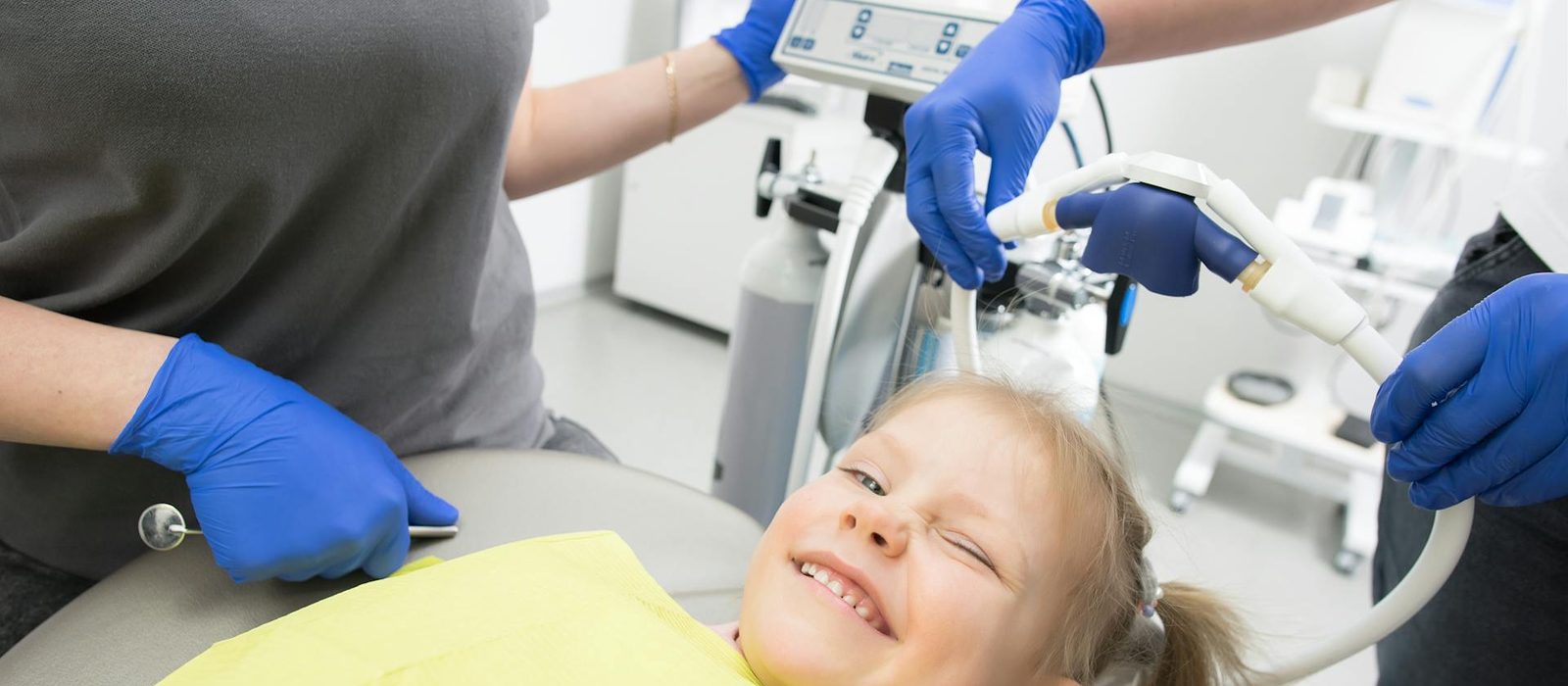
Healthy dental habits start early. We take the time to make kids feel comfortable in the chair from their very first visit — so dental appointments stay something they're fine with, not something they dread.
Why it matters
Benefits
- Kid-friendly team with experience easing first-time anxiety.
- Same family, same clinic — book your child's visit alongside yours.
- Preventive focus — cleanings, sealants, fluoride, and early-orthodontic spotting.
- Honest cavity decisions — small cavities don't always need filling immediately.
- Direct billing for most Alberta family insurance plans.
What to expect
The process
- 01
First visit (around age 1–3)
A short, friendly visit to count teeth, check development, and let your child sit in the big chair. Often more about familiarization than treatment.
- 02
Annual or twice-yearly check-ups
Cleanings, exams, fluoride, and x-rays only when actually needed. We watch how the teeth are coming in and flag anything early.
- 03
Sealants and prevention
Thin protective coatings on the chewing surfaces of permanent molars dramatically reduce cavity risk. Usually placed around ages 6 and 12.
- 04
Early orthodontic screening
By age 7, the bite is far enough along to spot future orthodontic needs. Early intervention sometimes prevents the need for full braces later.
- 05
Teen transitions
Around the teen years we discuss wisdom-teeth assessment, sports guards, and (if relevant) Invisalign or braces.
What good children’s dentistry looks like
The goal of children’s dentistry isn’t just clean teeth — it’s a child who grows up thinking of the dentist as a normal part of life, not something to dread. That comes from:
- Going slow on the first few visits. Kids who feel rushed or pressured remember it. We let them sit in the chair, look at the tools, and ask questions before we ever start.
- Being honest with parents. Not every cavity needs to be drilled. Not every x-ray needs to be taken. We tell you the truth about what’s actually needed and what’s optional.
- Catching things early. A cavity caught small is a small filling. A bite issue caught by age 7 is sometimes treatable without full braces.
- Modelling habits. Kids learn dental hygiene by copying their parents. We coach the whole family on what good brushing actually looks like.
What we focus on at each stage
Ages 1–3: Familiarization, counting teeth, watching for early decay (which can happen surprisingly young, often from bottles or sippy cups at night).
Ages 4–6: Building good brushing habits, watching baby teeth fall out on schedule, evaluating diet’s effect on cavity risk.
Ages 6–12: Sealants on permanent molars as they come in, early-orthodontic screening (around age 7), and continuing to build a positive relationship with dental visits.
Teen years: Wisdom-teeth assessment, sports guards for active kids, conversations about Invisalign or braces if needed, and the transition to taking ownership of their own oral health.
Book your child’s visit or call 403-271-2221 — we’re happy to book the whole family together.
FAQ
Questions we hear most often
- When should my child have their first dental visit?
- The Canadian Dental Association recommends a first visit by age 1, or within six months of the first tooth appearing — whichever comes first. Early visits are short and friendly, mostly about getting your child comfortable with the dental setting.
- How often should children come in?
- Most children should come in every 6 months for cleanings and check-ups. Higher-risk kids (history of cavities, orthodontic appliances, specific medical conditions) may benefit from more frequent visits — we'll let you know if that applies.
- Are baby teeth important enough to fill?
- Sometimes yes, sometimes no. It depends on the size of the cavity, the tooth, and how long until the tooth is naturally going to fall out. We'll give you an honest recommendation rather than defaulting to drilling. A small cavity on a tooth that's about to fall out anyway is often best left alone.
- Will you use x-rays on my child?
- Only when clinically needed. Modern digital x-rays use about 80% less radiation than older film x-rays. For low-risk kids we may only take x-rays every 1–2 years. We always explain what we're looking for before taking any.
- Does the clinic feel kid-friendly?
- We've kept the clinic feeling clean and modern rather than overly childish — which actually helps anxious kids, who sometimes find super-themed offices overwhelming. The team is calm, takes time, and explains things at the child's level.
- Can my child be sedated if they're very anxious?
- For most kids, our usual gentle approach is enough. We offer oral conscious sedation and IV sedation for teenagers and adults — for younger children with severe anxiety or complex treatment needs, we'll discuss the best path at your consultation, which may include a referral to a pediatric specialist with appropriate facilities. We do not offer nitrous oxide (laughing gas).
Ready to talk it through?
Book a consultation.
We'll listen first, then build a plan around your goals and comfort.